Tout savoir sur le WSET Niveau 1 Vin - Wines of Earth
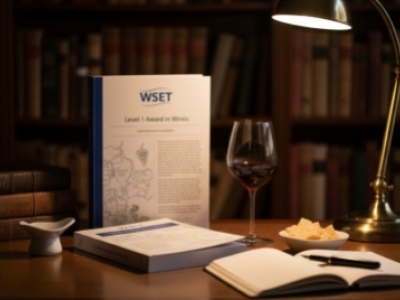
Bienvenue sur le guide complet du WSET Niveau 1 en vins (WSET Level 1 Award in Wines). Vous êtes au bon endroit si vous cherchez à savoir si cette certification correspond à votre projet. Je vais notamment répondre aux questions suivantes :
- Que contient ce niveau et à qui s'adresse-t-il ?
- Est-ce trop basique pour un amateur éclairé ?
- Comment le prépare-t-on et l'obtient-on ?
- Y a-t-il des possibilités de financement ?
- Est-ce suffisant pour mentionner des compétences professionnelles sur un CV ?
- …
Du programme officiel aux modalités de l'examen, en passant par les possibilités de financement (via les fonds de formation ou l'employeur), je vais décrypter concrètement ce qui vous attend dans ce niveau 1 Vins qu'il faut voir, non pas comme une simple initiation, mais comme l'acquisition d'une méthode pour les niveaux suivants du WSET.
En résumé : ce que vous allez découvrir dans ce guide sur le WSET Niveau 1 en Vins
- Pour qui ? Les débutants en dégustation de vin, les amateurs curieux et les professionnels novices (hôtellerie, vente). Aucun prérequis ni connaissance préalable n'est exigé.
- Le programme : L'apprentissage des grandes familles de vins, des principaux cépages, des bases du service, des accords mets-vins simples et de l'approche systématique de la dégustation.
- L'examen : Un QCM très accessible de 30 questions à réaliser en 45 minutes (à livre fermé). La réussite exige 70 % de bonnes réponses (taux de succès généralement supérieur à 90 %).
- L'organisation : Se déroule le plus souvent sur une seule journée complète (dégustations de 9 vins incluses en présentiel). Le tarif varie entre 150 € et 350 € TTC.
- Le bénéfice : L'acquisition du vocabulaire, d'une méthode de dégustation universelle et d'un certificat officiel (avec pin's) valorisable immédiatement sur un CV ou profil LinkedIn.
À qui s'adresse le WSET Niveau 1 Vin ?
Commençons par évacuer la principale barrière à l'entrée : aucun prérequis n'est exigé pour passer le WSET Niveau 1 Vin.
Vous n'avez besoin ni de diplôme, ni d'expérience professionnelle, ni d'avoir un « palais » entraîné pour vous inscrire.
Ce niveau s'adresse à trois profils types, avec des objectifs bien distincts :
- Professionnels (premier emploi) : c'est le standard pour les équipes opérationnelles en hôtellerie, restauration ou vente au détail (cavistes, grande distribution). Il donne le vocabulaire de base et les compétences de service essentielles (ouverture, température) pour interagir avec les clients sans stress dès les premiers jours.
- Profils en reconversion : avant de s'engager dans des cursus longs et coûteux (comme le Niveau 3 ou un Sommelier Conseil), le Niveau 1 est un excellent test à moindre frais. Il permet de valider votre appétence pour la méthode académique du WSET (très structurée et standardisée) avant d'aller plus loin.
- Amateurs passionnés : pour le consommateur qui veut arrêter d'acheter « au hasard ». L'objectif ici est de comprendre ce qu'on lit sur une étiquette, de maîtriser les accords mets-vins simples et de gagner en autonomie lors de l'achat.
💡 Le conseil de Jean-François : « Ce niveau est recommandé pour celles et ceux qui, soit démarrent de zéro et veulent acquérir toutes les bases, soit veulent faire les choses dans l'ordre et se familiariser avec le système WSET (ce qui est tout à fait souhaitable). Mais si vous êtes du genre à déjà visiter régulièrement des vignobles, si vous connaissez la différence entre un Merlot et un Cabernet, ou les régions viticoles françaises, le Niveau 1 ne vous apprendra pas grand-chose. Dans ce cas, regardez directement le programme du WSET Niveau 2, souvent plus adapté aux amateurs éclairés. »
Programme officiel — WSET Niveau 1 en Vins
Normalement, vous n'avez besoin d'aucune connaissance préalable pour suivre le programme de Niveau 1, car tous les chapitres sont étudiés au cours de la formation en centre agréé. Je vous recommande toutefois de mettre toutes les chances de votre côté en parcourant l'ensemble de la documentation fournie : c'est vraiment pour optimiser vos chances à l'examen.
| Module de formation | Contenu détaillé et compétences acquises |
|---|---|
| Détails techniques du parcours | • Durée : minimum 6 heures d'enseignement guidé + temps d'étude personnelle. • Enseignement : en français. • Dégustation : minimum 9 vins dégustés sur la journée. • Révisions et entraînement : accès à des examens blancs sous forme de QCM corrigés (réalisables à volonté pour valider les acquis avant le test final). |
| 🍇 Qu'est-ce que le vin et comment est-il produit ? | • Viticulture et climat : comprendre le cycle de la vigne et l'influence du climat sur le raisin. • Anatomie du raisin : composition détaillée d'un grain (peau, pulpe, pépins) et son rôle. • Fermentation alcoolique : maîtriser l'équation chimique de la transformation du jus en vin. • Processus de vinification : comprendre les différences de fabrication entre les vins blancs, les vins rouges et les vins rosés (contact avec la peau, pressurage, etc.). |
| 🥂 Les grands types et styles de vins | Connaître et différencier les trois grandes familles : 1. Vins tranquilles : le vin classique sans bulles. 2. Vins effervescents : les vins à bulles (méthodes basiques). 3. Vins mutés : les vins fortifiés en alcool. • Structure : identifier les caractéristiques structurelles communes à tous les vins (corps, acidité, alcool). |
| 🌍 Cépages principaux et origine | • Les cépages stars : caractéristiques, arômes et styles produits par le Chardonnay, le Sauvignon Blanc, le Pinot Grigio, le Riesling, le Cabernet Sauvignon, le Merlot, le Pinot Noir et la Syrah. • Vins identifiés par leur origine : comprendre les vins qui portent le nom de leur région (ex. : Champagne, Bordeaux, Chianti) : quels cépages sont utilisés et quel est le style attendu. • Autres exemples : découverte de cépages ou régions complémentaires selon la philosophie de votre centre de formation. |
| 👅 Introduction à la dégustation (SAT) | • Méthode WSET : apprendre à déguster en utilisant l'Approche Systématique de la Dégustation (SAT) Niveau 1. • Vocabulaire : décrire les caractéristiques principales (apparence, nez, bouche) avec des termes normés. • Comparaison : identifier les différences et les similitudes entre différents styles de vins dégustés. |
| 🍽️ Accords mets et vins | • Interactions : identifier les principales interactions chimiques entre la nourriture et le vin. • Sensations : reconnaître les sensations produites sur le palais (ex. : comment le sel adoucit le vin, comment le sucre le durcit). • Pratique : cours et atelier pratique avec des aliments tests pour valider la théorie (selon les centres de formation). |
| 🍾 Service et stockage du vin | • Stockage : connaître les principes de base pour conserver le vin (lumière, température, position). • Service : maîtriser les températures de service recommandées pour chaque style (du vin effervescent glacé au vin rouge chambré). • Matériel : le débouchage et le service du vin dans les règles de l'art (verrerie, ouverture). |
Examen du WSET 1 Vin : format et taux de réussite
Contrairement à de simples ateliers et cours d'œnologie où l'on repart avec une attestation de présence, le WSET débouche sur un véritable examen certifiant. C'est ce qui donne toute sa valeur à ce diplôme : il prouve que vous avez réellement acquis des connaissances.
Voici comment se déroule l'épreuve finale qui clôture la journée (ou le stage en centre de formation) :
Le format : un QCM simple
L'examen est standardisé au niveau international. Que vous le passiez à Paris, à Londres ou à Tokyo, les conditions sont donc identiques pour tous les candidats :
- Type : questionnaire à choix multiples (QCM)
- Langue : le test WSET Niveau 1 Vin est disponible en français.
- Volume : 30 questions
- Durée : 45 minutes (bien que la plupart des candidats le terminent en 20 à 30 minutes).
- Condition : « Livre fermé ». Aucun document ni téléphone n'est autorisé.
- Score à atteindre : il faut 70 % de bonnes réponses, soit un minimum de 21 bonnes réponses sur 30.
Une fois l'examen terminé, vos copies sont envoyées au siège du WSET à Londres pour correction (ou corrigées numériquement pour des résultats plus rapides). Si vous réussissez, vous recevrez quelques semaines plus tard :
- Le diplôme officiel WSET Niveau 1 (papier au grammage épais, très « officiel »)
- L'insigne (pin's) WSET à porter sur votre veste
- Le badge numérique « Accredible » : un certificat digital vérifié que vous pouvez ajouter directement sur votre profil LinkedIn.
Le conseil de Jean-François : « Ne stressez pas. C'est un examen bienveillant. Lisez bien chaque question, ne cherchez pas midi à quatorze heures : la réponse est souvent celle qui semble la plus logique par rapport à ce que vous venez d'apprendre. »
Faut-il réviser pour le WSET 1 Vin ?
Vous pouvez y aller avec confiance : le Niveau 1 Vins n'est pas un piège.
Il est conçu pour valider des bases solides, pas pour vous coincer sur des détails obscurs. L'ensemble des chapitres est vu directement en cours et vous n'avez donc pas besoin d'arriver avec des connaissances préalables, même si elles sont toujours appréciées. Si vous avez écouté attentivement votre formateur durant la journée et participé aux cours et dégustations, vous avez 99 % de chances de réussir.
Le taux de réussite : Il est extrêmement élevé (souvent supérieur à 90 %). Les échecs sont rares et surviennent généralement lorsque le candidat n'a pas lu le livret envoyé avant la formation ou n'a pas été attentif en cours.
Modalités pratiques du WSET 1 Vin : prix, durée, en ligne ou en présentiel…
Le WSET 1 est conçu pour être accessible, tant financièrement qu'en termes de temps.
Le tarif est fixé librement par les centres de formation (les « Approved Program Providers »), mais la concurrence tend à harmoniser les prix :
- La fourchette de prix : comptez généralement entre 150 € et 350 € TTC.
- Ce que cela inclut : tout est compris « clé en main ». Le prix couvre la journée de cours avec un formateur agréé, le livret d'étude, les vins dégustés (en présentiel), les frais d'examen et l'envoi du diplôme.
- Créneaux disponibles : chaque centre propose sa liste de dates et de créneaux. Prenez-vous donc à l'avance pour votre inscription.
- Note : En France, le CPF (Compte Personnel de Formation) est parfois accepté pour le WSET selon les centres et votre situation professionnelle, mais c'est plus fréquent pour le Niveau 2. Pour la Belgique, il n'existe malheureusement pas encore de prise en charge possible. La formation est référencée dans le DataDock depuis 2018 et certifiée Qualiopi depuis 2021. Plusieurs modes de financement sont possibles : OPCO (salariés du privé), Pôle Emploi (demandeurs d'emploi), FAF (indépendants et professions libérales), Pluxee (chèques-cadeaux).
L'avantage du Niveau 1, c'est aussi qu'il ne demande pas de sacrifier vos week-ends pendant six mois. Selon les centres, vous pourrez le plus souvent opter pour :
- un format standard : une journée complète (souvent de 9 h 00 à 17 h 00 ou 18 h 00). L'examen a lieu à la fin de cette même journée.
- un format découpé : certains centres proposent des cours du soir (exemple : deux ou trois soirées consécutives) ou deux demi-journées pour vous laisser le temps de mieux assimiler les nouvelles informations.
WSET Niveau 1 Vin : examen en présentiel ou en ligne ?
Depuis quelques années, le WSET permet de passer ses niveaux en ligne (Global Classroom). Si cela offre de la flexibilité, le choix n'est pas anodin pour les débutants.
| Critères | Option A : En présentiel | Option B : En ligne / distanciel |
|---|---|---|
| 📍 Où et comment ? | Vous vous rendez dans une salle de classe, dans une école de vin ou chez un caviste agréé. Prenez-vous à l'avance pour votre inscription, car le centre peut avoir une liste de dates. | Vous suivez les modules sur une plateforme numérique dédiée, à votre rythme, avec un formateur joignable via chat ou forum. |
| 🍷 Gestion des vins | Les vins sont fournis : vous n'avez rien à acheter, le formateur a sélectionné les vins parfaits pour illustrer le cours. | Le prix de la formation est souvent le même, mais vous devez acheter vos propres vins. Le centre vous donne une liste de styles à trouver (ex. : « Trouvez un Chardonnay léger non boisé »), ce qui revient un peu plus cher. |
| 🗣️ Pédagogie et ambiance | • Retour immédiat : si vous sentez « l'ananas » et que c'est du « citron », le professeur est là pour recalibrer votre palais. • Convivialité : déguster en groupe est plus ludique et aide à décomplexer. |
Pas de dégustation de groupe ni de retour sensoriel immédiat dans ce format. |
| 📝 Examen | Se déroule généralement sur place à la fin de la formation. | Il se fait désormais aussi en surveillance à distance via webcam, ou vous devez vous déplacer uniquement pour l'examen. |
| 🎯 Pour qui ? | Pour la grande majorité des candidats, c'est le format idéal pour débuter sans stress. | Pour ceux qui habitent loin de tout centre de formation agréé ou dont l'emploi du temps ne permet pas de bloquer une journée entière. |
L'avis de Jean-François : Pour le Niveau 1 Vin, si vous en avez l'occasion et qu'un centre se trouve à proximité, privilégiez le présentiel. La valeur ajoutée du formateur qui vous guide verre en main est inestimable pour vos premiers pas. Ce n'est pas indispensable, mais cela peut rassurer. Le distanciel devient plus pertinent aux niveaux supérieurs (WSET 3 ou 4), où la part de théorie pure est massive.
WSET 1 Vin : accessibilité (handicap) et inclusion
La diversité et l'équité sont au cœur de la mission du WSET. L'organisme impose un code de conduite strict partout dans le monde, qui vise à garantir un accès équitable à ses modules de formation et à ses qualifications, sans discrimination de genre, d'origine ou de croyance. Voici les dispositifs concrets mis en place pour les candidats :
- Handicap et aménagements raisonnables : conformément à sa politique d'égalité, le WSET permet aux candidats ayant des besoins éducatifs spéciaux, des handicaps ou des blessures temporaires de bénéficier d'« aménagements raisonnables » pour l'apprentissage et les examens. Il est impératif de signaler ces besoins à votre centre de formation dès votre inscription pour qu'ils soient validés par Londres.
- Abstinence (santé et croyances) : le WSET s'assure que les étudiants ne consommant pas d'alcool pour des raisons religieuses ou de santé ne soient pas désavantagés. Ils peuvent suivre et valider les qualifications de Niveau 1 et 2 sans obligation de consommation.
- Accessibilité géographique : pour pallier les contraintes de mobilité ou l'éloignement géographique, une gamme complète de cours est disponible en ligne, ce qui donne accès au même diplôme aux étudiants vivant dans des zones reculées ou à mobilité réduite.
- Neutralité et code de conduite : en tant qu'organisme certificateur reconnu par l'OfQual britannique, le WSET audite ses examens pour éliminer tout biais culturel ou social. Si un candidat s'estime victime de discrimination ou si un centre ne respecte pas ces principes d'inclusion, un mécanisme de signalement direct est ouvert via l'adresse governance@wsetglobal.com.
Où passer son WSET 1 ? (Liste des centres francophones)
Le Wine & Spirit Education Trust (WSET) est le plus grand organisme de formation au monde dans le domaine des vins, des spiritueux et du saké. Le réseau de formateurs couvre plus de 70 pays : vous ne devriez donc pas avoir de mal à trouver un centre de formation en vin près de chez vous.
Les centres agréés (données de 2025) ci-dessous dispensent spécifiquement les qualifications WSET en français. Il est impératif de prendre directement contact avec eux pour connaître les dates précises et les modalités des cours.
Annuaire des organismes agréés WSET (Francophonie)
| Pays | Centres de formation agréés |
|---|---|
| 🇫🇷 France |
|
| 🇧🇪 Belgique |
|
| 🇨🇭 Suisse |
|
| 🇱🇺 Luxembourg |
|
FAQ : Vos questions fréquentes sur le WSET 1
WSET ou cours d'œnologie : quelle différence et que choisir ?
C'est une question d'objectif.
- L'œnologie type Diplôme National d'Œnologue (DNO) est une science : on y apprend la chimie du vin, la biologie de la vigne et comment produire le vin.
- Le WSET est une formation commerciale et culturelle : on y apprend à déguster, décrire et vendre le vin. C'est un standard international de communication, pas de production.
Peut-on passer directement le WSET 2 Vin sans le Niveau 1 ?
Oui, c'est tout à fait autorisé administrativement.
- Faites le Niveau 1 si : vous partez de zéro, que vous paniquez devant une carte des vins ou que vous voulez acquérir la méthode de dégustation WSET en douceur.
- Passez au Niveau 2 si : vous connaissez déjà les grandes régions viticoles françaises et du monde, vous distinguez un Chardonnay d'un Sauvignon Blanc, et vous êtes à l'aise avec un vocabulaire un peu technique.
Le diplôme WSET est-il reconnu à l'international ?
C'est sa grande force. Le WSET est le passeport international du vin. Que vous postuliez dans un hôtel à Londres, chez un importateur à Tokyo ou un caviste à New York ou à Paris, le logo WSET sur votre CV sera immédiatement identifié et reconnu. Ce n'est pas le cas de la plupart des diplômes universitaires français ou belges.
L'examen du WSET 1 Vin est-il difficile et quel est le taux de réussite ?
Le taux de réussite frôle les 95 à 100% dans la plupart des centres. L'examen n'est pas fait pour vous piéger. Si vous avez suivi le cours attentivement et relu le livret fourni, c'est quasiment gagné. Il faut obtenir 70% de bonnes réponses sur un QCM de 30 questions (soit 21 bonnes réponses).
Faut-il acheter des livres supplémentaires pour réviser le WSET 1 Vin ?
Non, gardez votre argent pour acheter du vin ! Le WSET fonctionne en vase clos : seul le contenu du livret officiel fourni peut tomber à l'examen. Si vous lisez des ouvrages externes, vous risquez même de vous embrouiller avec des informations contradictoires.
Peut-on passer le WSET sans boire d'alcool (grossesse, religion, santé) ?
Absolument. D'ailleurs, les professionnels apprennent à cracher le vin (un crachoir est toujours fourni). Si vous ne pouvez pas mettre de vin en bouche pour des raisons médicales, religieuses ou personnelles, vous pouvez valider le diplôme en participant à l'analyse visuelle et olfactive. Cela ne vous pénalisera pas pour l'examen théorique.
Que faire en cas d'échec à l'examen et quel est le coût du rattrapage ?
C'est rare, mais ça arrive. Vous n'avez pas besoin de refaire toute la formation. Vous pouvez vous inscrire uniquement pour repasser l'examen (les frais varient généralement entre 50 € et 100 € selon les centres).
Quel est le prix moyen du WSET Niveau 1 Vin ?
Comptez en moyenne entre 150 € et 350 € TTC. Ce prix inclut généralement tout : la journée de formation, le livret officiel, les vins dégustés, l'examen et l'envoi du diplôme. Les tarifs varient légèrement selon le prestige du lieu et la gamme des vins servis en dégustation.
Le WSET Niveau 1 est-il éligible au financement CPF ?
C'est devenu plus complexe depuis 2023. Le financement CPF en France est généralement réservé aux projets de reconversion professionnelle validés ou aux salariés du secteur (hôtellerie/restauration). Ne partez pas du principe que c'est automatique : vérifiez directement auprès du centre de formation s'ils sont éligibles CPF au moment de votre inscription. En Belgique, il n'existe malheureusement pas d'équivalent car l'agrément au niveau national n'existe pas encore pour être éligible au Chèque-Formation par exemple.
Financer son WSET 1 Vin avec Pôle Emploi, OPCO ou l'employeur ?
Pour la France :
- Salarié·es : demandez à votre employeur une prise en charge via les OPCO (c'est très courant pour les cavistes ou serveurs).
- Demandeurs d'emploi : une Aide Individuelle à la Formation (AIF) est possible via Pôle Emploi si le projet professionnel est cohérent (ex : devenir sommelier ou commercial vin).
WSET en ligne ou en présentiel : quelle formule choisir ?
- En salle (recommandé pour le Niveau 1) : Vous dégustez les vins calibrés par le formateur, vous échangez avec le groupe et vous posez vos questions en direct. C'est plus vivant et moins risqué pédagogiquement.
- En ligne : Plus flexible et parfois moins cher niveau frais d'inscription, mais attention : vous devez acheter vos propres vins pour les exercices (ce qui peut revenir à un peu plus cher) et il est difficile d'apprendre l'étalonnage du palais seul·e devant un écran.
Quelle est la durée de la formation et le temps de révision nécessaire ?
Le format standard est d'une journée (environ 6 à 7 heures de cours) suivie immédiatement de l'examen. Comptez idéalement 2 ou 3 heures de lecture du livret avant de venir en cours pour être parfaitement à l'aise le jour J. Certains centres de formations divisent ce temps en plusieurs créneaux afin de faciliter l'acquisition des connaissances.
Partager ce contenu